date_range
Thursday 22 Oct 2026


 LOCAL EDITION
close
 LOCAL EDITION


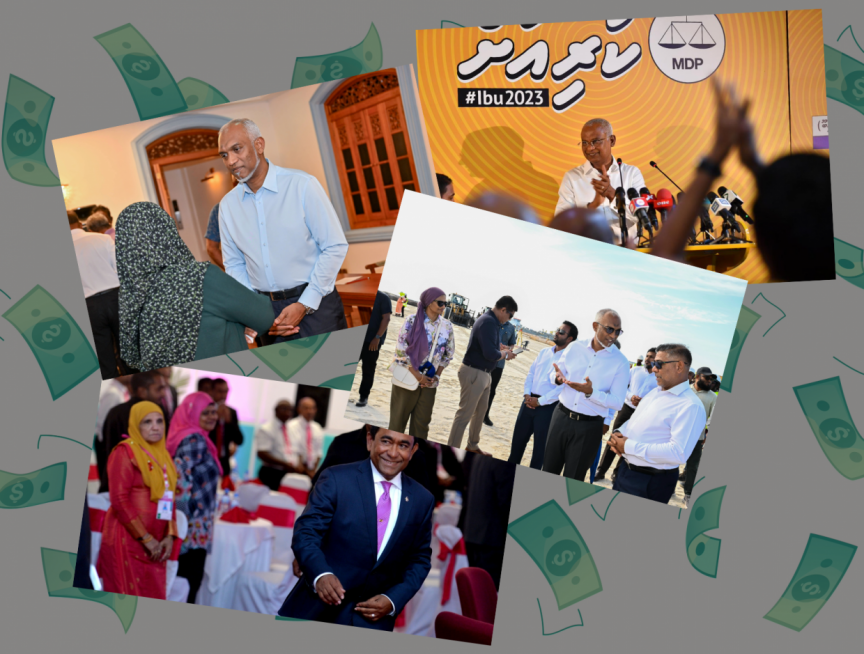
How convenient, right? Last Ramadan, we were all blessed with a free case of canned tuna — truly the pinnacle of prosperity. That electricity bill you nearly fainted over, the one touching MVR 5,000? Magically reduced to MVR 400. And if you're lucky enough to live in the Hiyaa flats, congratulations — no rent for two whole years! Those subletting their units must be laughing their way to early “millionaire” status, thanks to the booming side hustle of state-sponsored generosity.
Sure, Aasandha and NSPA might move at a glacial pace, but who cares when everyone gets health insurance — because accessibility obviously makes up for inefficiency. And let’s not forget fuel prices! While the rest of the world struggles with soaring costs, we refill our tanks at wonderfully subsidized rates, courtesy of the ever-benevolent government. Really, with so much being handed out so generously, why bother asking any questions? This is a simplistic mindset: "If it’s free, take it and ask no questions." But has a single citizen stopped to ask how the government funds these waivers, subsidies, and freebies? Have we considered the state of national debt or how such a system can be sustained by current revenues? Do we recognize why "pre-planned" projects suddenly materialize just as election ballots are about to be cast?
While the global economy slows down amidst war, these activities in the Maldives continue unabated. Perhaps it is because an election is looming. Or perhaps, cynically, one might suggest international conflicts were timed poorly for political optics. Regardless, there are undoubtedly hidden agendas behind the decisions made by political leaders who provide these perks to the public.

This is not "benevolence"
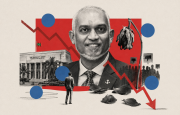
There is a specific term for this system where free benefits are exchanged for votes: 'Clientelism.' Clientelism is a political relationship where politicians or parties provide goods, services, or special favors to the public or specific groups in exchange for political support and votes. It is a direct, transactional system of political exploitation.
This is not merely a case of political leaders misappropriating public funds; it is a profound theft of the people's power. It is the exploitation of vulnerability for political gain.
Admittedly, paying only MVR 400 for an electricity bill is a significant relief for an average citizen earning a monthly salary of MVR 14,000 while trying to raise a family and pay rent. The introduction of such financial aids brings immediate ease to the public. However, the reality is that these decisions, made by leaders elected for five-year terms, are often "self-serving" and made without regard for the long-term stability of the state.
Research on clientelism indicates that such policies are deliberately designed to secure votes rather than address the fundamental needs of the people. This blurs the line between a genuine welfare system for the deserving and the act of purchasing votes.

A five-year administration rarely cares about the long-term burden
Following the 30-year presidency of Maumoon Abdul Gayoom, every subsequent administration has shown a willingness to do whatever it takes to retain power. During President Mohamed Nasheed’s tenure, welfare schemes were introduced without adequate public education on their sustainability relative to national income. He emphasized that the state must provide free healthcare, free textbooks for students, and old age pensions.
While these initiatives boosted Nasheed’s popularity, the reality of how a state manages such expenditures remained hidden from the commonfolk. Welfare is inherently good, but the initiatives started during Nasheed’s time have evolved into political weapons used to buy votes. Today, these consequences are a burden the state and the people must somehow navigate.
After Nasheed came President Abdulla Yameen’s administration. Debt continued to climb while the Aasandha scheme was expanded into an "unlimited" service and other allowances were increased. In the succeeding administration of President Ibrahim Mohamed Solih, jobs were distributed through state-owned enterprises like Fenaka and RDC without restraint. Consequently, the next government inherited this massive burden. Yet, instead of reform, we now see an even broader distribution of state "gifts." The urgent need to reform the flawed Aasandha system has been sidelined in favor of introducing more free benefits, funded entirely by increasing the national debt.
The reality of this current system is that no political leader or government elected for a five-year term seems to genuinely care about the economic damage inflicted upon the state. This is evidenced by the rising national debt and the lack of income-generating investments across successive administrations.

"Not for the election, but planned well ahead"
In the Maldives, it is a common coincidence that job opportunities and salary increments from state institutions and government companies peak just as an election nears. Currently, with the Local Council Elections just days away, new projects have been launched, significant rent waivers have been granted, and thousands of jobs have been announced by state companies—some with application windows of less than a week.
To the average person, these actions are clearly linked to the election. However, President Dr. Mohamed Muizzu maintains that this is a misconception.
"While there may be outward similarities, if you look at the details, you will see when and how each of these projects began and how these employees are being recruited," President Muizzu stated last Monday.
The Anti-Corruption Commission (ACC) has also shown no suspicion regarding these election-aligned activities. When queried by 'Sun' regarding the number and nature of complaints filed about undue influence and the misuse of state resources during the campaign, the commission offered no response.
Perhaps every political leader will claim these are mere coincidences. Ultimately, it is the people who must decide.

During this period of intense political campaigning, it is vital for citizens to exercise their true power. We must think deeply and understand both sides of every policy. This cycle will only break when the public recognizes these tactics and chooses to say "no." It is not enough to simply grumble about jobs being given or fines being waived during election cycles.
We must raise our voices. We must openly decline these temporary gains. Unless we prioritize the long-term well-being of the nation over individual, short-term benefits, neither the state's condition nor the conduct of political leaders who keep the public enslaved to money and jobs will ever change.