date_range
Sunday 25 Oct 2026


 LOCAL EDITION
close
 LOCAL EDITION


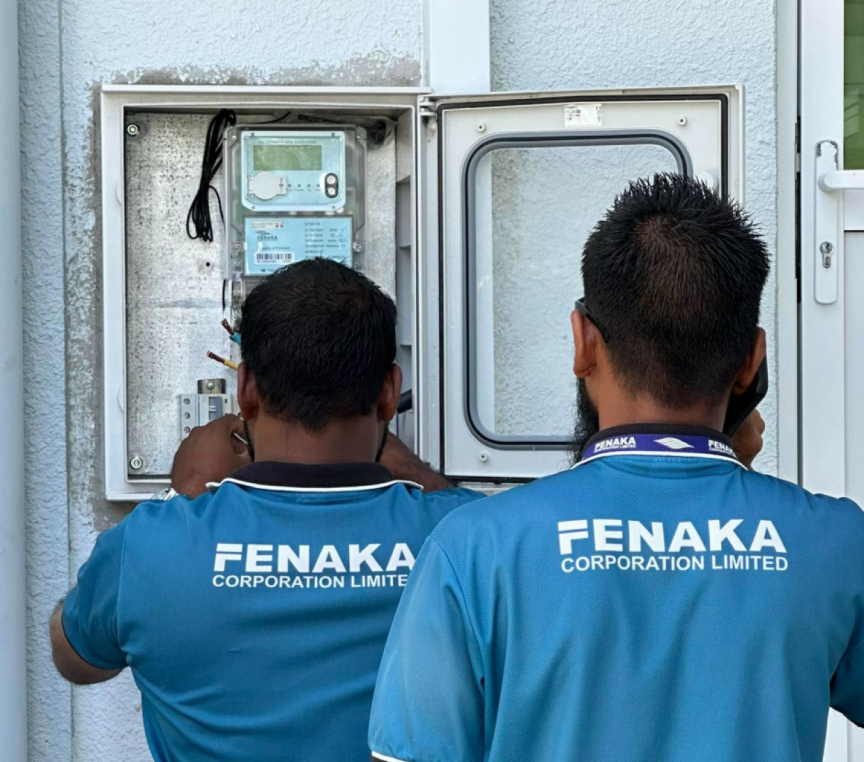
Employees of Fenaka Corporation. (Photo/Fenaka)
Fenaka on Tuesday denied allegations that it misled employees who applied for voluntary redundancy, stating that all staff who resigned were paid in accordance with the agreed terms.
The opportunity for employees wishing to leave the company was opened on June 2, following the announcement that those who resign would receive a four-month salary allowance.
Earlier this month, Fenaka Managing Director Mohamed Afeef Hussain said 108 employees had requested to leave the company, and that the process of releasing them was underway.
Since then, some online newspapers have reported that several employees who resigned voluntarily had complained that Fenaka had not paid them.
ނޫސް ބަޔާން: ކުންފުނީގެ ރިޑަންޑަންސީ ޕޮލިސީގެ ތެރެއިން އަމިއްލައަށް އެދިގެން ވަކިވާ މުވައްޒަފުންނާ ގުޅޭ pic.twitter.com/gDfOumaN7q
— Fenaka Corporation Ltd (@TeamFenaka) July 28, 2026
In response, Fenaka said in a statement that employees opting for voluntary redundancy under the four-month salary scheme are dismissed under a formal agreement between the company and the employee. The corporation said it has signed agreements with all employees who requested to leave under the scheme and has paid them the full four-month salary.
“However, in this regard, some media outlets and the public are spreading untrue stories on various media platforms suggesting that Fenaka has deceived the employees, which is not true,” the statement said.
The company assured the public that it will not act in violation of its policies or in a manner that harms anyone.
Fenaka previously stated that reducing staff is part of its efforts to strengthen operations and expand services to the public. The corporation has described the workforce reduction as an essential step toward becoming a financially sustainable enterprise.
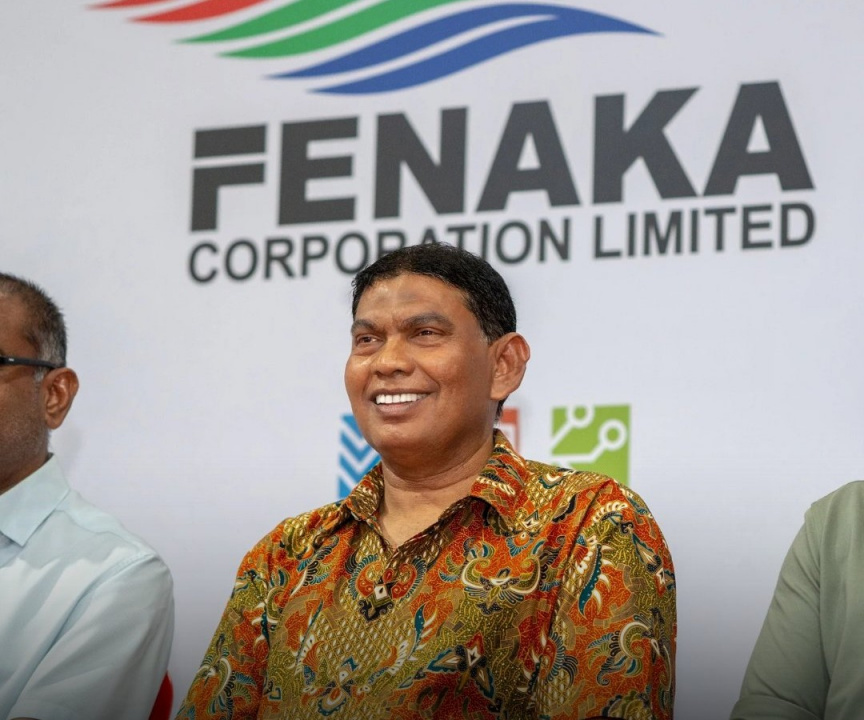
Fenaka remains one of the government-owned companies most frequently associated with allegations of corruption. Successive governments have faced criticism for significantly expanding the company’s workforce during election periods.
As the country takes steps to reduce spending due to high national debt, several state-owned enterprises continue to rely heavily on government support and operate at a loss. In April, the Finance Ministry ordered SOEs to reduce staff by 33 percent to cut costs. The Privatization and Corporatization Board (PCB) instructed earlier this month that the work must be completed within three months.