date_range
Thursday 29 Oct 2026


 LOCAL EDITION
close
 LOCAL EDITION


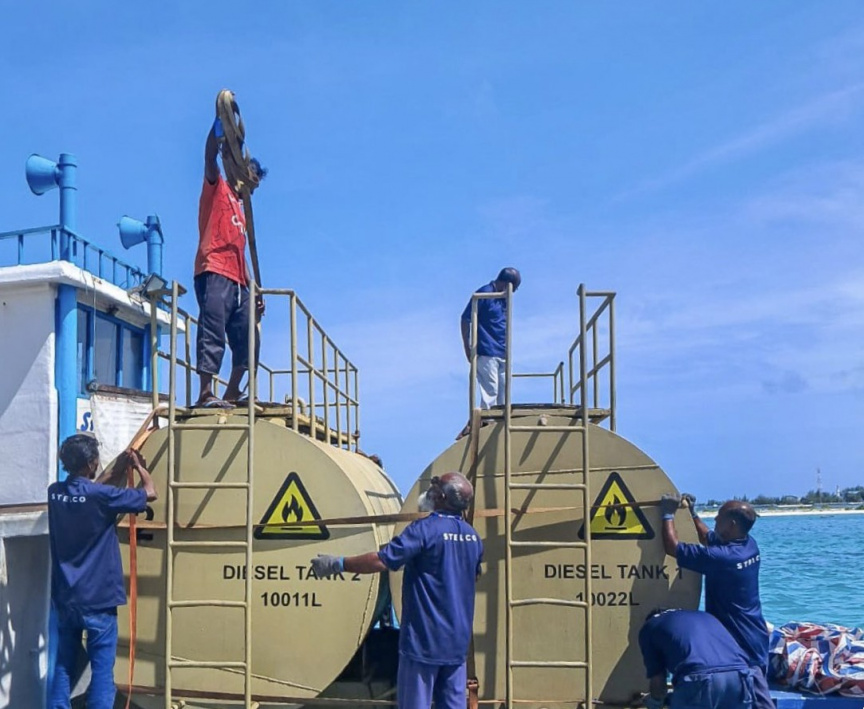
STELCO workers unload fuel storage tanks sent to M. Atoll on July 5, 2026. (Photo/STELCO)
Maldives’ spending on fuel subsidies is expected to reach a record high of MVR 3.7 billion by the end of this year, in a bid to keep electricity costs down amid the rise in global fuel prices due to the ongoing conflict in the Middle East.
The dire projection was shared by Finance Minister Hassan Zareer while presenting a proposed state budget of MVR 59.7 billion for next year at the Parliament on Thursday afternoon.
2027 budget highlights:
The Maldives is a small island nation almost entirely dependent on imports, marking it particularly vulnerable to global shocks, including the ongoing conflict in the Middle East.
Addressing the Parliament, Zareer said the sharp rise in state expenditure had proven to be the biggest test for the government this year.

He noted that any change to global fuel prices impacts production of electricity, shipping, and all daily expenses, and said that multiple countries across the world have been impacted by the global fuel crisis, cutting citizens from access to 24/7 electricity.
Zareer said that the government has been spending heavily on keeping electricity costs down, ensuring that there aren’t any disruptions to the daily lives or business activity.
He said that the spending on fuel subsidies is expected to reach a record high by the end of this year.
“As such, spending on fuel subsidies is expected to reach MVR 3.8 billion by the end of this year. However, international financial forecasts fuel prices to go down next year,” he said.
Zareer said that the government expects to spend MVR 3.2 billion on fuel subsidies next year.

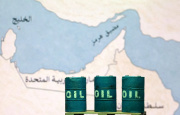
Utilities alone are heavily subsidized in the Maldives, and the increase in spending on subsidies is linked the rise in global fuel prices with the Strait of Hormuz effectively closed due to the US-Israeli war on Iran.
However, subsidies are an area where the actual spending has persistently surpassed budgeted figures with each passing year.
The country exhausted its annual budget allocation for subsidies around mid-way into the year.
According to the latest weekly fiscal report released by the Finance Ministry, the state’s spending on subsidies reached MVR 4.3 billion as of October 15.
This marks an excess of MVR 1.4 billion or 48.97 percent compared to the MVR 2.89 billion allocated in the budget for subsidies for the entire year.

International financial institutions have been urging the Maldives for years to shift to targeted subsidies and implement other reforms in order to alleviate risks of it defaulting on its staggering external debt obligations.
President Dr. Mohamed Muizzu’s administration had included major reforms in its 2025 budget, including phasing out broad subsidies in favor of targeted subsidies.
However, halfway into the year, he decided against implementing these reforms, citing that he did not wish to deprive the people of any benefit they enjoy.
Information released by the Environment Ministry back in May showed the Middle East conflict has driven the cost of the country’s monthly fuel imports from USD 50 million to USD 116 million – marking an increase of 132 percent.
The country needs 8,000 barrels of diesel daily or around 2.9 million barrels yearly to produce electricity.
The Asian Development Bank (ADB) projects Maldives’ inflation will rise by 2.2 percent this year, and 2 percent next year.