date_range
Wednesday 14 Oct 2026


 LOCAL EDITION
close
 LOCAL EDITION


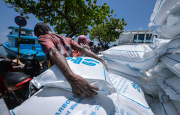
An FSM fuel barge: STO significantly raises prices at which petrol and diesel are sold to businesses. (Photo/FSM)
By the end of the seventh month of the year, the government has exhausted its subsidy budget and overspent by more than MVR 200 million. According to the latest figures from the Ministry of Finance, MVR 3.13 billion has been spent on subsidies as of Thursday. This is MVR 240 million higher than the MVR 2.89 billion allocated for subsidies in this year’s budget.
Expenditure exceeded the budget due to higher than estimated spending on oil and electricity subsidies following the Iran war. However, the ministry’s statistics do not provide a breakdown of individual subsidy categories. This lack of detail has been a recurring issue in recent years, as governments continue to divert funds from other areas of the budget to cover subsidy overruns due to the failure to implement policies that reduce subsidy waste.
Both previous and current administrations have budgeted for subsidies to be targeted only at those in need, but the policy has not been implemented. The government has also included subsidy targeting and Aasandha reform as part of a plan to save more than MVR 7 billion. Earlier this year, President Muizzu announced that he would not implement the reforms.
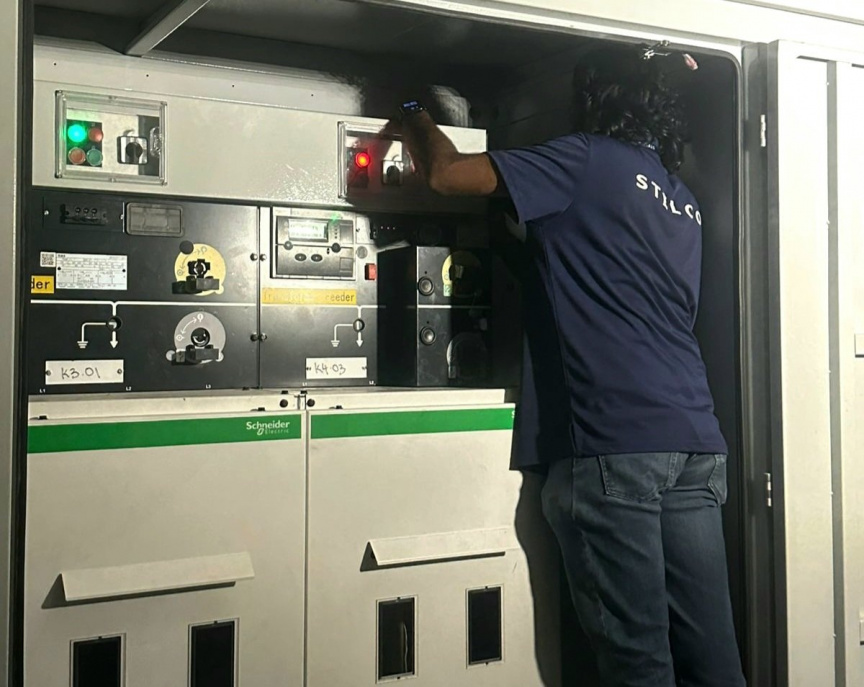
The Asian Development Bank has recently advised Asian countries, including Maldives, to reduce the cost of subsidies, which continue to place a heavy burden on state finances.
According to the Weekly Fiscal Developments report as at July 16, 2026, subsidies have seen one of the largest jumps in recurrent expenditure this year. The report shows MVR 3.13 billion spent on subsidies, compared to MVR 2.89 billion allocated. This overspend is reflected in the ministry’s tables, which list subsidies under recurrent expenditure at MVR 3,129.9 million for 2026, compared to MVR 2,890.0 million approved.
The ministry’s statistics show that oil subsidies rose from MVR 341.3 million in 2025 to MVR 626.7 million in 2026. Electricity subsidies increased from MVR 33.9 million to MVR 90.6 million. Food subsidies rose from MVR 128.5 million to MVR 201.6 million. Cargo subsidies increased from MVR 199.4 million to MVR 243.9 million. Fisheries subsidies fell from MVR 207.4 million to MVR 83.1 million. Health service subsidies for the poor remained unchanged at MVR 67.8 million.

The ministry’s figures also show that council block grants and subsidies together account for a significant share of recurrent expenditure. Council grants reached MVR 1,457.6 million this year, compared to MVR 1,257.1 million in 2025.
The government’s total expenditure as at July 16, 2026 stands at MVR 24.5 billion, compared to MVR 20.3 billion during the same period last year. The overall balance for the period is a deficit of MVR 1.5 billion, while the primary balance remains in surplus at MVR 1.2 billion.