date_range
Wednesday 14 Oct 2026


 LOCAL EDITION
close
 LOCAL EDITION


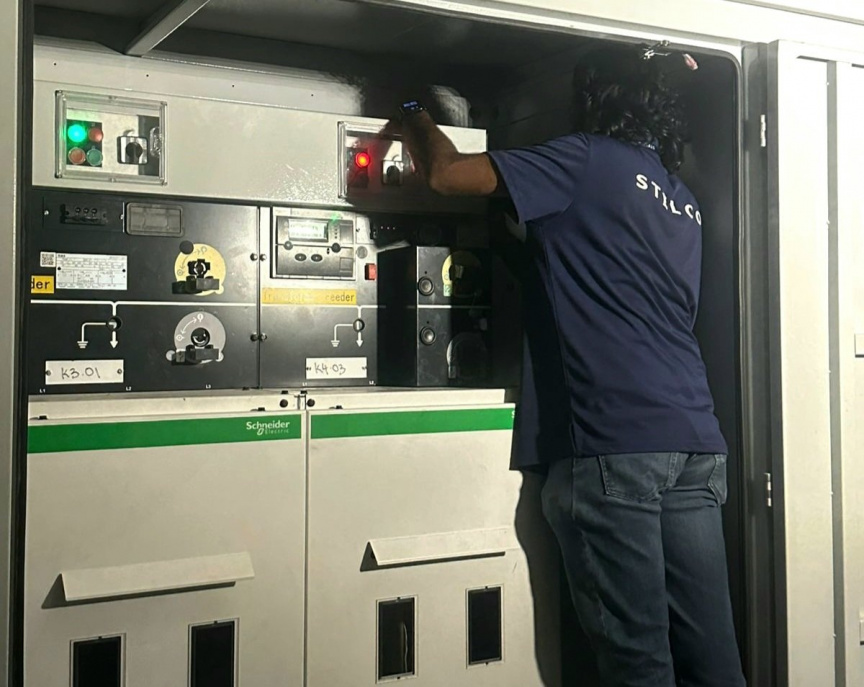
STELCO employee works to restore power: Govt. uses up 80% of budget allocated for subsidies in five months as spending on subsidies rise. (Photo/STELCO)
Government spending on subsidies has surged this year, with 80 percent of the annual subsidy budget already utilized as of June 4, according to the latest fiscal data released by the Ministry of Finance.
The Ministry's report on state revenue and expenditure shows that MVR 2.89 billion was allocated for subsidies in the 2026 budget. However, by June 4, the government had already spent MVR 2.30 billion, leaving only a fraction of the annual allocation remaining for the rest of the year.
The increase is significant when compared to the same period last year. During the corresponding period in 2025, subsidy expenditure totaled MVR 1.36 billion. This year's spending therefore represents a 68.9 percent increase year-on-year.
Subsidy spending forms part of a broader category of government assistance and grants, on which total expenditure has now reached MVR 5.69 billion. Of this amount, MVR 971 million was spent on the national health insurance scheme, Aasandha, while MVR 1.05 billion was disbursed to local councils. Altogether, the state has allocated MVR 10.6 billion this year for subsidies, grants, and other forms of financial assistance.
The Maldives continues to provide extensive subsidies on electricity, fuel, sewerage services, and essential food items. Fuel subsidies account for a substantial portion of this expenditure, with MVR 1.06 billion specifically allocated for that purpose in this year's budget.
One of the key factors contributing to the rise in subsidy spending has been the increase in global fuel prices following the conflict that erupted in the Middle East on February 28. The resulting rise in fuel costs has had a direct impact on the Maldives, placing additional pressure on government finances and increasing expenditure on fuel subsidies.
The rapid growth in subsidy spending comes against the backdrop of longstanding concerns regarding the sustainability of the country's welfare programmes. For several years, both national audit reports and international financial institutions have warned that the current subsidy framework, along with the Aasandha health insurance scheme, is not financially sustainable over the long term.
In response to these concerns, the current administration initially included a series of fiscal reform measures in the state budget. The reforms were designed to gradually replace universal subsidies with a targeted assistance system aimed at directing support to those most in need. However, President Dr. Mohamed Muizzu later opted to postpone the reforms, citing concerns that their implementation could increase the financial burden on the public.
Rather than proceeding with subsidy reforms, the government focused on reducing expenditure through other means, including slowing the implementation of a number of development projects last year.
The need for tighter fiscal management has become increasingly urgent due to the country's growing debt obligations. The Maldives is required to repay USD 1.1 billion in debt this year alone, including a single repayment of USD 500 million made in April. As of June 4, government expenditure on debt servicing had reached MVR 8.71 billion, accounting for 67.4 percent of the MVR 12.9 billion allocated for debt repayments in this year's budget.