date_range
Sunday 25 Oct 2026


 LOCAL EDITION
close
 LOCAL EDITION


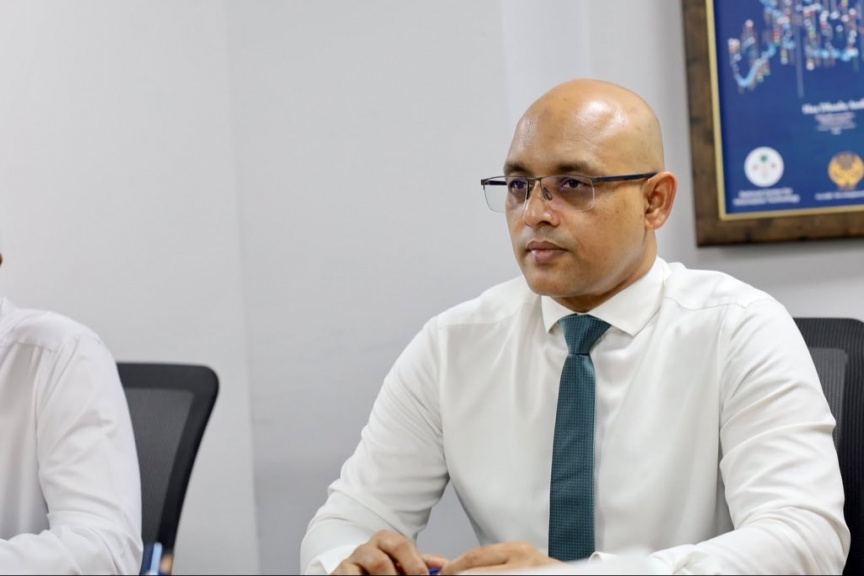
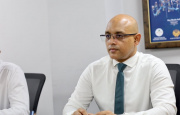
Finance Minister Hassan Zareer meets with the High Commissioner of the Commonwealth of Australia to the Maldives, July 20, 2026. (X Photo/Ministry of Finance and Public Enterprises)
78.2 percent of the state budget allocated for the operation of government-owned companies has been spent in the first seven months of the year.
The Ministry of Finance, in its weekly fiscal report published on Sunday, detailed state revenue and expenditure as of July 23. According to the figures, MVR 929.9 million was allocated in the 2026 budget for capital injections to government companies, of which MVR 727.6 million has already been disbursed. This leaves MVR 202 million available for the remaining five months of the year.
The amount released to companies so far is lower than the same period last year. As of July 23 last year, MVR 1.17 billion had been disbursed.
The Finance Ministry also noted that state-owned companies are expected to provide MVR 552 million in dividends this year. MVR 464 million has been received so far, compared to MVR 413 million during the same period last year.
The Weekly Fiscal Developments as of 23 July 2026 has been published on our website and can be accessed through the link below: ????https://t.co/wwninv5wSI pic.twitter.com/CdzERJqgKT
— Ministry of Finance and Public Enterprises (@MoFmv) August 2, 2026
Many state-owned companies continue to operate at a loss, requiring higher-than-budgeted allocations. Last year, although MVR 378 million was budgeted for company support, MVR 2.24 billion was ultimately released, MVR 1.86 billion more than the initial allocation.
With rising debt and pressure on recurrent expenditure, the government has taken measures to reduce costs. On April 18, the Finance Ministry instructed state-owned companies to reduce their staff by 33 percent. Last month, the Privatization and Corporatization Board directed companies to complete the downsizing within three months.
Former Finance Minister Moosa Zameer said in April that SOEs employ an estimated 42,000 people. The opposition MDP has criticized the downsizing plan, arguing that companies would need to cut more than 14,000 employees to meet the 33 percent target, and estimating that more than 50,000 people could be affected overall.