date_range
Monday 19 Oct 2026


 LOCAL EDITION
close
 LOCAL EDITION


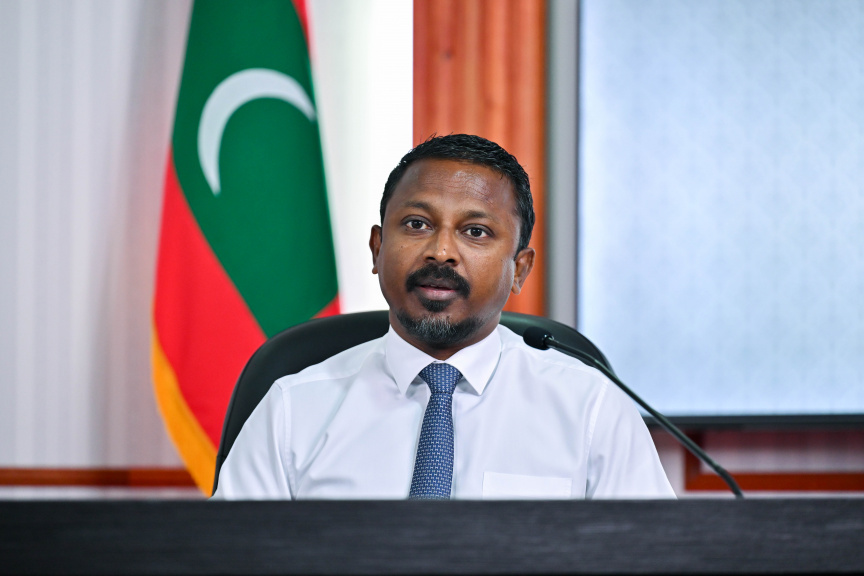
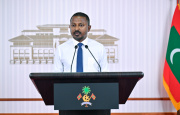
Attorney General Ahmed Usham speaks at a press conference on September 14, 2026. (Photo/President's Office)
Attorney General Ahmed Usham says that the proposed USD 20 billion waterfront and marina project in Rasmale’ will be governed in strict compliance with the new real estate legislature being drafted by his office and not existing tourism laws, adding that the incumbent administration will not allow for anything unconstitutional or unlawful in running the initiative.
On September 21, Abu Dhabi-based developer Eagle Hills signed a commercial terms agreement or letter of intent for a mega project to develop a new integrated island destination in Rasmale’, including international hotels and resorts, premium and branded residences, a world-class marina, waterfront promenades, restaurants, shops, leisure and wellness centers.
The project is described by the Maldives government as one of the most ambitious development initiatives in the country’s history.
However, the planned project has received pushback from the opposition, which describes it as a move to sell off land to foreigners.
At a recent People’s National Front (PNF) rally, former President Abdulla Yameen Abdul Gayoom criticized the 99-year lease clause, stating that it allows for the permanent sale of Maldivian land to foreigners.
He warned that he would punish the senior government officials involved in the deal if he returned to office.
Usham took to X on Tuesday to respond to the remarks, pointing out that it had been during Yameen’s administration that the laws were revised to extend the lease period for resorts to 99 years.
“Perhaps President Yameen doesn’t remember this, but it was during his administration that the lease period for resorts was changed to 99 years,” wrote Usham.
Usham said that the Maldives enacted its first tourism laws in 1999, under which the lease term for resorts was capped at 25 years. A subsequent amendment during former President Mohamed Nasheed’s administration extended this to 50 years in 2010, and another revision in 2015, during Yameen’s administration, extended it to 99 years.
ރައީސް ޔާމީން މިއަދު ހަނދުމަފުޅުނެތީ ކަމަށް ވެދާނެ. އެހެންނަމަވެސް ރިޒޯޓުތައް ކުއްޔަށް ދޫކުރާ މުއްދަތު 99 އަހަރަށް ބަދަލުކޮށްފައިވަނީ ރައީސް ޔާމީންގެ ވެރިކަމުގައި.
— Ahmed Usham (@a_usham) September 29, 2026
ދިވެހިރާއްޖޭގައި އެންމެ ފުރަތަމަ ޓޫރިޒަމާ ބެހޭ ޤާނޫނެއް އެކުލަވާލެވުނީ 1999 ވަނަ އަހަރު. އޭރު ޤާނޫނުގެ ދަށުން… https://t.co/8EsaBnfvul
He also noted that under the current tourism laws, the government is required to pay the depreciated value of the resort's buildings within two years upon expiry of a lease.
Usham said that unlike this, the planned Rasmale’ project will be governed by new real estate legislature being drafted by his office.
However, he did not explain the changes the proposed real estate legislatures will bring.
Usham also noted that the project has only had the letter of intent signed, and is still a long way from being implemented.
“The only thing related to this project signed so far is a letter of intent (commercial terms agreement). Definitive agreements must be formulated and signed following additional negotiations based on the terms of this agreement and relevant laws must be passed by the Parliament before this project can start,” he said.
“The government will not engage in anything that violates the Maldives’ constitution or laws in running this project.”
On Monday, Ali Hussain, a lawyer and former parliamentarian, filed a constitutional case with the Supreme Court, challenging the USD 20 billion deal.

The new integrated island destination is being developed in Rasmale’, an urban area being reclaimed at Fushi Dhiggaru Falhu, about 17 minutes away from Male’ via speedboat.
The integrated development will include international hotels and resorts, premium and branded residences, a world-class marina, waterfront promenades, restaurants, shops, leisure and wellness centers.
According to the Maldives government, preliminary economic impact estimates indicate the project could attract more than USD 30 billion in gross foreign investment over its lifetime, including about USD 18 billion in net foreign investment in the Maldives.
It is also expected to create more than 54,000 direct and indirect jobs. At full maturity, the destination is expected to attract more than one million visitors annually and generate more than USD 2 billion in annual tourism revenue.