date_range
Tuesday 20 Oct 2026


 LOCAL EDITION
close
 LOCAL EDITION


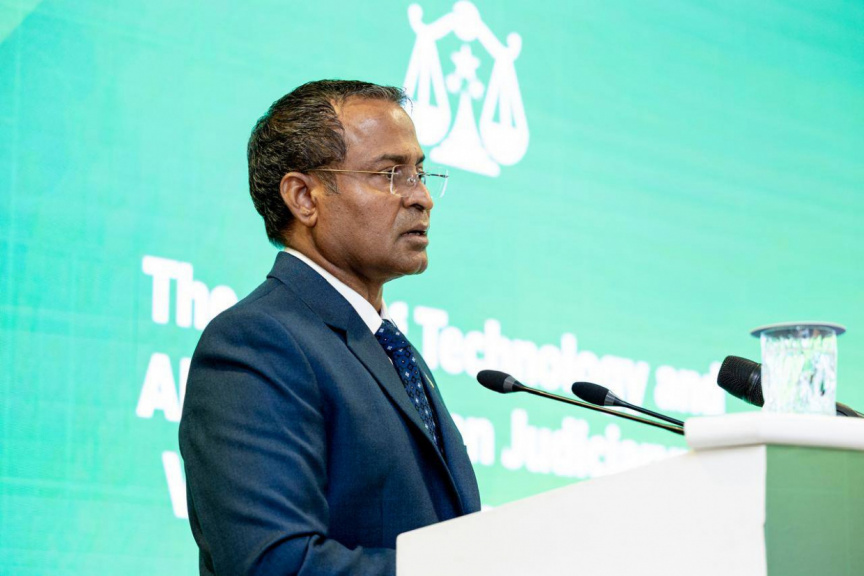
Chief Justice Abdul Ghani Mohamed speaks at the opening ceremony of the Judicial Conference 2026.
Chief Justice Abdul Ghanee Mohamed says the introduction of new regulations for magistrate courts marks one of the most significant achievements for the judiciary in nearly two decades.
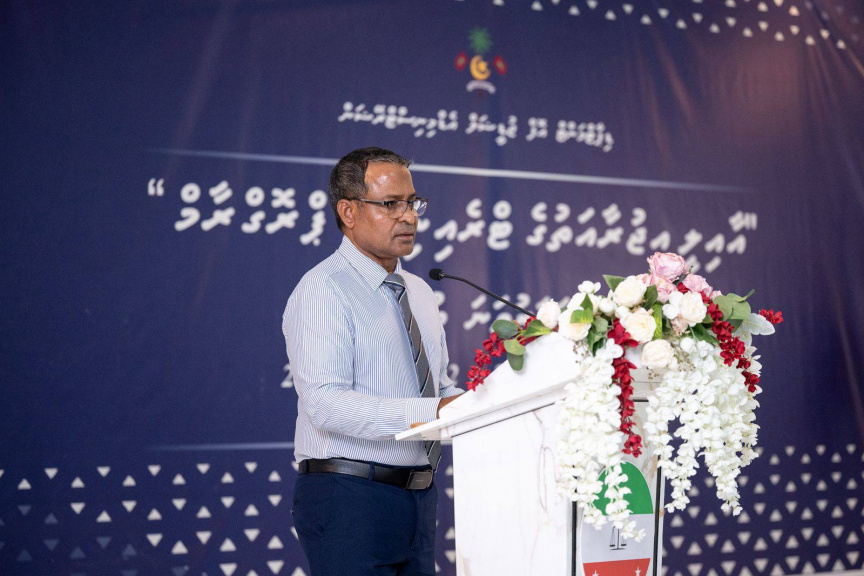
He made the remarks at the closing ceremony of the training programme held in L. Fonadhoo to familiarise judges and court staff with the new Magistrate Courts Regulations.
The Chief Justice noted that when the current Constitution came into force in 2008, the former Ministry of Justice was abolished and the previous Magistrate Courts Regulation lapsed. As a result, magistrate courts have operated for the past 18 years without a formal regulatory framework, relying only on inherited practices and limited statutory powers.
He said the new regulation, drafted by magistrates and submitted to the Supreme Court, finally fills that long-standing vacuum and will come into force on October 1, 2026, next month.

More than 1,100 judges and court staff participated in 14 training sessions held to familiarise personnel with the new regulations, the largest training initiative ever conducted in the Maldivian judiciary.
The Chief Justice urged all judges and staff to implement the positive changes introduced by the regulation from 1 October onwards, and to serve the public with fairness, efficiency and compassion.
The purpose of the Magistrate Courts Regulations is to ensure uniformity in judicial operations, administrative procedures, and case-handling processes across all magistrate courts in the Maldives.
The regulations cover a wide range of areas, including:
filing and registration of cases
counters, email and online submissions
equal distribution of cases among magistrates
custody decisions for criminal detainees
remote hearings via video conferencing
recusal procedures for magistrates
administrative structure and positions
registration of marriages and divorces
duties of marriage registrars
handling of cost cases
general court system procedures and administrative rules.