
date_range
Saturday 17 Oct 2026


 LOCAL EDITION
close
 LOCAL EDITION


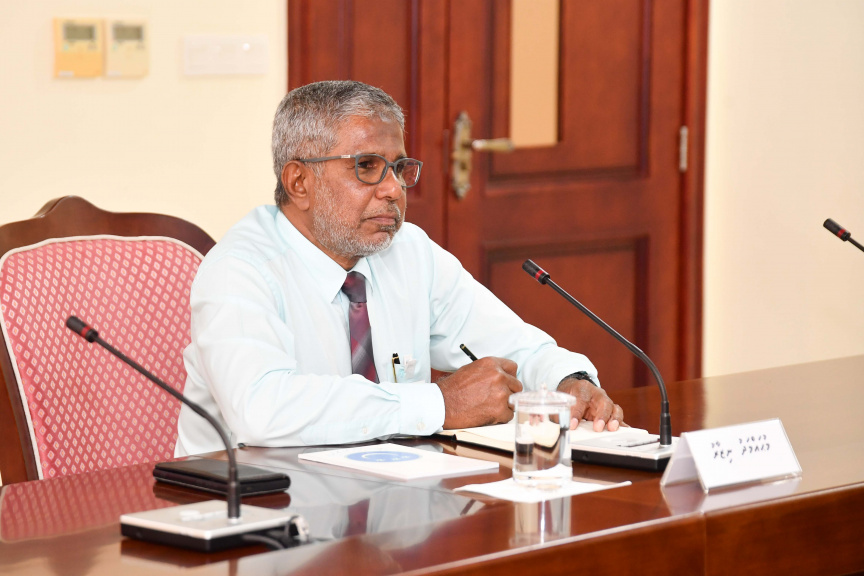
President of the Privatization and Corporatization Board (PCB) Mohamed Nizar at the Committee on State Owned Enterprises, June 23, 2026. (Photo/People's Majlis)
Many state‑owned enterprises (SOEs) are in poor financial condition, and the true extent of their situation will only be known once audit reports are completed, Privatization and Corporatization Board (PCB) President Mohamed Nizar said on Tuesday.
Nizar, who also served as the first president of the PCB, was re‑appointed to the post on April 30 this year. The Parliamentary Committee on State‑Owned Enterprises interviewed him on Tuesday and approved his appointment.
Responding to questions from committee members, Nizar said audit reports for several government‑owned companies have not been submitted since 2002. He added that many companies had still not prepared their audit reports by the end of last year.
Nizar said he has consulted the Auditor General’s Office to ensure all pending audit reports are completed before April, expressing confidence that the target will be met.
“The financial situation of the companies is very poor now, and when the audits are completed, we will know the real financial situation,” he said.
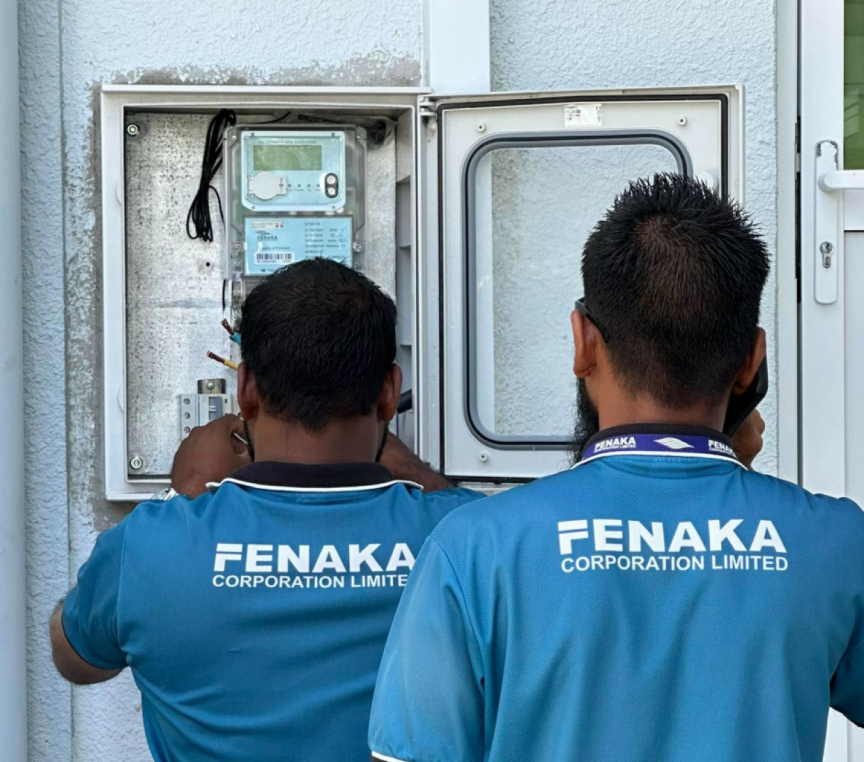
Highlighting structural weaknesses in some SOEs, Nizar said companies such as Fenaka have been found to have serious internal management issues.
“I looked at a company like Fenaka, for example, and the internal operations are not good. Staff are now complaining that one department has nothing to do with another, and agreements are being made without any legal reference,” he said.
He added that the PCB is now in discussions with managing directors of SOEs to address these issues and improve governance.
According to the latest figures released by the PCB, SOEs recorded a combined revenue of MVR 12.4 billion in the third quarter of last year, an increase of MVR 1.57 billion compared to the same period in 2024.
Individually, some companies that rely on the state budget, such as the Road Development Corporation (RDC) and Aasandha, saw revenue declines during the quarter. RDC is operating at a loss of MVR 130.2 million. Despite higher revenue, Island Aviation is also operating at a loss of MVR 40.8 million.

Among companies that do not typically rely on the state budget, airport operator MACL’s profit fell 16 percent compared to the third quarter of 2024. MTCC recorded the largest drop in profit, posting MVR 26.77 million in the third quarter of 2024 compared to MVR 13.35 million in the same period last year.
PCB data also shows that MACL had a debt of MVR 15.6 billion at the end of the third quarter of last year.
It is crucial to note, however, that comparing SOEs to private businesses is a mistake. A private company exists to make profit, if a route, service, or island does not pay for itself, it is cut. A state‑owned company does not have that option. It must provide essential services even when they cost more to deliver than they can ever recover. Island Aviation and MACL appear to be operating at a loss, as expected for their mandate, but they remain well‑sustained companies.


