date_range
Tuesday 20 Oct 2026


 LOCAL EDITION
close
 LOCAL EDITION


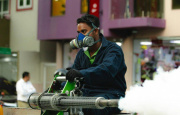
HDC conducts ‘Dengue Ijaaba' dengue prevention and control program in Hulhumale' on October 22, 2022. (Sun Photo/Mohamed Hayyan)
Kulhudhuffushi City Council has decided to begin inspecting mosquito breeding grounds in the city on Saturday.
The Health Protection Agency (HPA) has reported more than 2,000 dengue fever cases in Maldives so far this year, a significant increase compared to the same period last year.
According to the agency, 57.94 percent of all dengue cases reported this year were recorded in Kulhudhuffushi.
Kulhudhuffushi Hospital Director Mohamed Hussain said 147 people have been admitted since April 21, most of them from the island. The council has formed a dengue task force to control the outbreak.
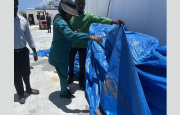
The task force is scheduled to visit residential areas to check for mosquito breeding sites as dengue cases continue to rise. The team will visit households in Kulhudhuffushi from 08:00 am to 18:00 pm from Saturday to Monday.
The council has urged residents to remove mosquito breeding grounds and keep their homes and abandoned plots clean.
A 17‑year‑old and a 23‑year‑old died of dengue last month.
To curb the spread of the disease, HPA and other agencies jointly inspected more than 300 locations in the city last month. Addu City Council also announced a clean‑up programme last month as part of its dengue‑control efforts.

Dengue is one of the most common diseases in Maldives, and rainfall during this period contributes to increased mosquito breeding.
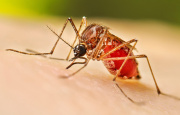
Dengue fever, caused by the Aedes mosquito, can become serious and life‑threatening, though some people recover without showing symptoms. The disease spreads through the bite of an infected female Aedes mosquito, which can transmit the virus throughout its roughly four‑week lifespan.
While eliminating breeding grounds is a key prevention method, public‑health experts note that a more holistic approach is needed in countries with recurring outbreaks. Fogging, which kills adult mosquitoes, is often used during peak transmission periods, though it is most effective when combined with source reduction.
Several countries with high dengue burdens, including Thailand, have also introduced dengue vaccination programmes to reduce severe illness and hospitalisation. Maldives has not yet explored vaccine rollout, despite repeated seasonal surges and rising case numbers. Public‑health specialists argue that long‑term dengue control requires an integrated strategy: community clean‑ups, targeted fogging, rapid case detection, and consideration of vaccination options.