date_range
Wednesday 14 Oct 2026


 LOCAL EDITION
close
 LOCAL EDITION


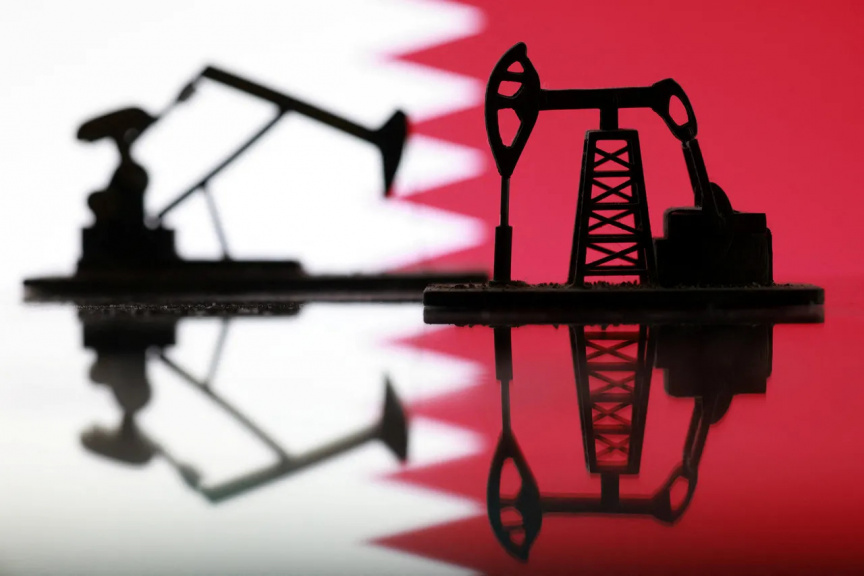
Illustration shows 3D printed oil pump jacks and Qatar flag. (Photo/Reuters)
Qatar’s energy minister has warned that Gulf energy exports could halt if the ongoing war in the region continues for weeks, cautioning that prolonged attacks could severely disrupt global markets.
In remarks quoted by the Qatar News Agency from an interview with the Financial Times, Saad al-Kaabi said continued fighting could drive oil prices to $150 per barrel and gas prices to $40 per million thermal units.
“Anyone who has not yet declared force majeure is expected to do so within the next few days if the situation continues,” the minister said, adding that “all exporters in the Gulf region will have to activate force majeure.”
He warned that if the war lasts for several weeks, global economic growth could be affected.
“Energy prices will rise for everyone, there will be shortages of some products, and there will be a chain of negative reactions for factories that will not be able to secure supplies,” al-Kaabi said.
He added that even if the war ended immediately, it would take Qatar “weeks to months” to restore normal energy supply cycles.
Al-Kaabi also warned that prolonged disruptions could significantly affect global energy markets and might even lead to the “collapse of world economies.”
Earlier on Wednesday, the state energy company QatarEnergy announced it had notified its customers of “a force majeure” declaration following the suspension of production amid the war between the US and Israel on one side and Iran on the other.
Force majeure is a legal clause in contracts allowing suppliers to suspend contractual obligations - such as delivering shipments - without incurring penalties under exceptional circumstances.
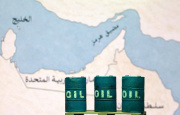
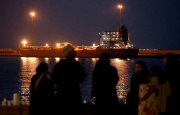
The conflict has already disrupted energy supplies, with maritime traffic through the Strait of Hormuz sharply declining. Around 20 million barrels of oil normally pass through the strait daily, but reports indicate hundreds of vessels are currently waiting on both sides due to growing security risks.
Since February 28, Israel and the US have been carrying out military offensives against Iran, leaving hundreds of Iranians dead, including senior security officials and Iran’s Supreme Leader Ali Khamenei.
Iran has responded by launching missiles and drones towards Israel and what it describes as “US interests” in Gulf states, Iraq and Jordan, some of which have caused casualties and damage to civilian sites, prompting condemnations from affected Arab countries.
___
Source: TRT