date_range
Saturday 21 Nov 2026


 LOCAL EDITION
close
 LOCAL EDITION


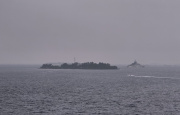
Horizontal visibility drops in Male' area as air quality deteriorates owing to haze. (Sun File Photo)
The air quality level over a large part of the Maldives deteriorated to unhealthy levels on Saturday, with red alerts issued for major cities including Male’ and Kulhudhuffushi.
According to IQ Air, the air quality is especially poor over northern and central Maldives, with the Air Quality Index (AQI) ranging from 159 to 165. These readings fall within the ‘Red Alert’ category, indicating unhealthy air quality that may affect the heart and lungs of the general population and worsen existing health conditions.
The current air quality in the Maldivian capital Male’ is recorded at an AQI of 159. The air quality is expected to improve slightly as the day progresses, dropping to ‘Orange Alert’, which is classified as ‘unhealthy for sensitive groups’. These conditions may increase the risk of respiratory problems and discomfort, particularly among vulnerable individuals.
The air quality is the worst in the northern city of Kulhudhuffushi, with an AQI of 165.
The air quality over a large part of the Maldives is at moderate levels, with an AQI of 71 in Hulhumale’ and 70 in Addu City.
On Friday, the Maldives Meteorological Service issued a statement warning that haze has reduced air quality nationwide and reduced horizontal visibility.
“These conditions are expected to persist over the next five days, with haze likely to intensify over the northern and central atolls during the next three days,” stated the weather agency, advising individuals spending extended periods outside to take necessary precautions.
Haze conditions are expected to persist over the next five days. Air quality and visibility may remain affected, particularly in northern and central atolls. https://t.co/O6RwkcHvkC
— Maldives Meteorology (@MetMaldives) November 19, 2026
Air pollution poses health risks to people of all ages, but its effects can be more severe for those with chronic illnesses. Health professionals therefore advise people with respiratory conditions, heart disease or allergies to limit outdoor activities during periods of poor air quality. Wearing face masks is strongly recommended for those who need to go outdoors.