date_range
Thursday 29 Oct 2026


 LOCAL EDITION
close
 LOCAL EDITION


Islands in Huvadhoo Atoll. (Photo/Discover Huvadhoo)
Not a single percent of the Maldives’ lagoon ecosystems is protected under internationally recognised marine conservation categories, according to a study presented to Parliament.
The findings were shared by the Maldives Resilient Reefs Association (MRRA) at a joint sitting of the Economic Committee and the Environment Committee.
Speaking on behalf of the association, Executive Director Shaha said that although Maldives has designated protected areas, none of the country’s coastline or lagoon systems are protected at the ecosystem level, which is required to ensure long-term ecological resilience. He noted that scientific guidance recommends protecting at least 30 percent of natural areas to maintain essential ecological services.
“Even though we know that sea conditions are changing, and we have known about these changes for many years, we have not used climate and biodiversity information systematically to monitor fisheries,” Shaha said. He added that while Maldives has a strong fisheries monitoring system, management practices are not keeping pace with climate change.
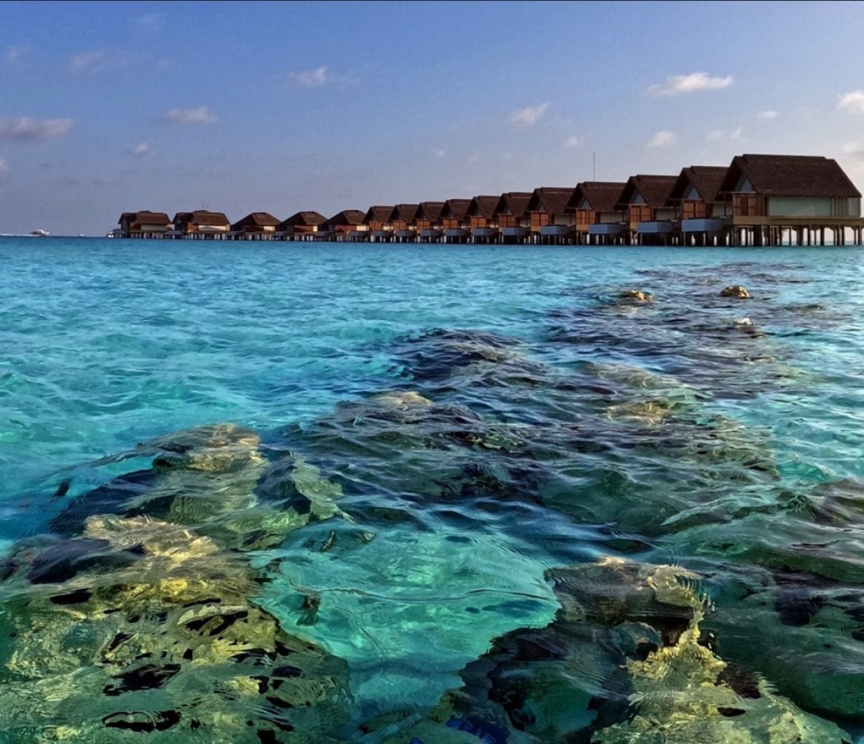
Shaha said fish habitats have already shifted, yet climate impacts are not factored into stock assessments or fisheries management decisions. He warned that climate change is threatening the lagoons and marine ecosystems on which Maldivian fisheries depend, with sea-level rise expected to alter fish habitats and breeding cycles. “There is a threat of destruction of lagoon life and fish habitat,” he said.
A study by the International Union for Conservation of Nature (IUCN) also warns that nearly all lagoons in low-lying regions are at risk of collapse or extinction within the next 50 years.