date_range
Monday 12 Oct 2026


 LOCAL EDITION
close
 LOCAL EDITION


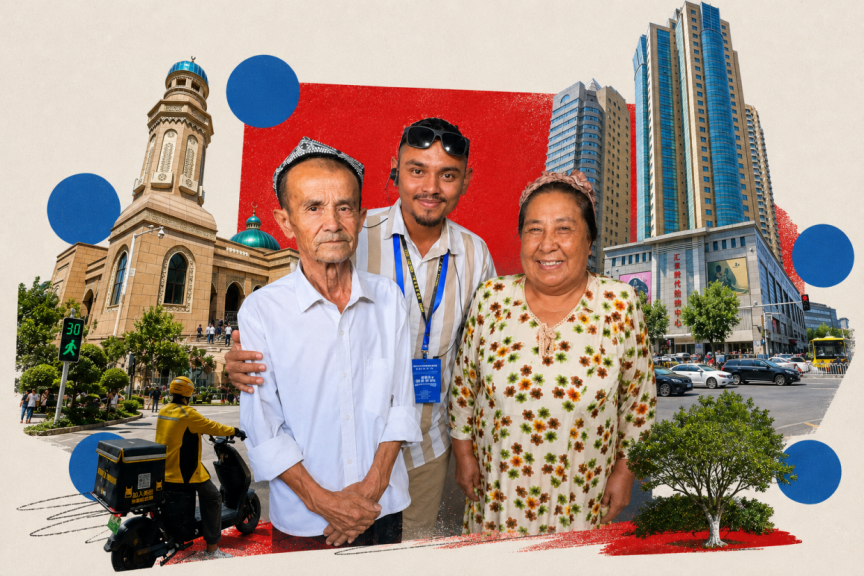
Before visiting Xinjiang, located in the far northwest of China, I held a perspective that was far from positive. Like many who follow international news from a distance, I had heard accounts of instability and the challenges faced by the Uyghur Muslim community.
Documentaries and YouTube videos had depicted Xinjiang as a highly surveilled region with a stagnant economy, where citizens lived in a state of fear. I expected to see an underdeveloped, rural environment, far behind the progress of other Chinese regions.

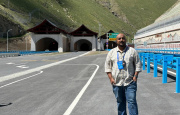
However, my recent visit as part of an international delegation of journalists from Europe, South Asia, the Middle East, and Africa completely reshaped my understanding. During this ten-day journey, we visited three major cities: the capital Urumqi, Hotan, and Turpan.
Beyond the official meetings, I took the opportunity to explore the streets and parks independently, visiting local cafes and observing the daily lives of families. What I witnessed was a stark contrast to the narratives I had previously encountered.
A Vibrant Economy and Dynamic Growth
My first impression was one of astonishment at the region's economic vitality. Urumqi International Airport, for instance, felt more advanced than Shanghai Pudong Airport in many aspects.
Entering Urumqi, I found a modern metropolis that exceeded all expectations. Skyscrapers line the highways, construction of new infrastructure is progressing rapidly, and the bustling markets remain full of life well into the night. I observed flagship stores for global technology brands such as Vivo, Huawei, Apple, and Samsung, alongside modern shopping malls and pristine, well-maintained roads.

In Turpan and Hotan, I observed significant investments in modern facilities, beautiful streetscapes, and public services. The reality on the ground directly contradicted the claims of economic stagnation. Each city showcased a commitment to modernization, innovation, and economic strengthening. Xinjiang reflects the standard of a globally developed region, clearly focused on a path of continued progress.
Peaceful Daily Life; Free from Fear
More impressive than the physical infrastructure was the everyday life of the people. Following our official programs, I often walked through the streets. In the parks, I saw families enjoying their time together—children playing freely while parents shared laughter and conversation. Many locals were seen wearing traditional Uyghur attire, moving about with a clear sense of freedom.

Being a foreign journalist, many locals approached me with smiles and greetings. They spoke of the happiness and progress in their lives, extending warm hospitality. The presence of traditional clothing, the rich flavors of local cuisine, and the sounds of diverse music and languages in the markets indicated a society comfortable in expressing its cultural identity.
While there is a visible police presence to maintain security and order, it did not seem to cause any visible tension among the citizens. Rather than an atmosphere of fear, I sensed a prevailing feeling of safety and security.

A Different Reality
The truth of a place can only be fully understood by experiencing it firsthand. Many of the preconceptions held globally are shaped by those who have never visited the region. The Xinjiang of today is vastly different from the descriptions of a decade ago. It is evident that past challenges are not hindering the people of Xinjiang from building their future. There is a clear sense of pride in the region’s contribution to China’s national identity.

While international opinions are often formed by external narratives, it is crucial to verify these accounts through personal observation. Although I arrived in Xinjiang with certain reservations this journey has confirmed that those initial perceptions did not reflect the reality of the region today.