date_range
Tuesday 20 Oct 2026


 LOCAL EDITION
close
 LOCAL EDITION


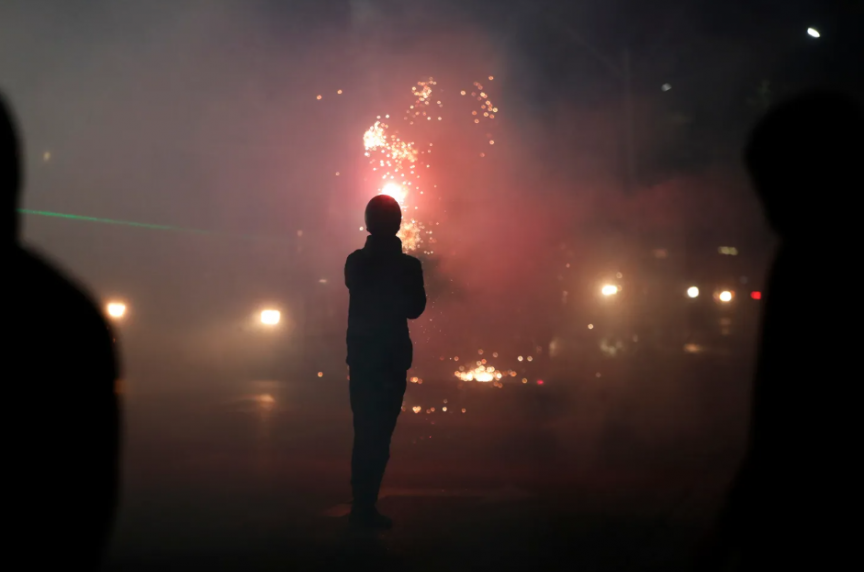
Albania sees fresh clashes as anti-government protests enter seventh day. (Photo/AP)
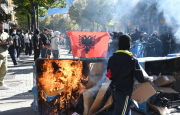
Anti-government demonstrations have continued across Albania for a seventh consecutive day as Prime Minister Edi Rama renewed his offer of unconditional dialogue with protesters amid violent clashes with police in the capital, Tirana, local media reported.
Demonstrators gathered outside the Education Ministry on Monday morning, reiterating demands for Rama and his cabinet to resign.
Clashes with riot police later erupted near the Court of Appeal, where protesters threw stones and pyrotechnics, shattering windows.
Authorities confirmed five arrests had been made and another 15 suspects were being sought.
Riot squads deployed tear gas and water cannon to disperse crowds near Rinia Park, but confrontations escalated as demonstrators hurled stones, pyrotechnics, and Molotov cocktails at officers stationed near the Interior Ministry.
Concurrently, student demonstrations continued in Lezhe, Vlore, Elbasan, and Shkoder, with university students boycotting lectures to march through major streets.
Dialogue offer
Rama renewed his appeal for negotiations, stating the government is prepared to meet with demonstrators "anytime, anywhere, without conditions."
However, he urged organisers to distance themselves from unrest, stone-throwing, and arson, while cautioning against involving minors in street violence.
"Peaceful protest is a right, while violence is a crime," Rama said, rejecting outright demands for his resignation and insisting he will not negotiate with anyone engaging in violence.
The government's offer followed a joint appeal from civil society and media organisations urging an end to violence, restraint from political leaders, and full respect for peaceful assembly.
The organisations called on state authorities to facilitate legitimate rallies and ensure any police use of force remains lawful, necessary, and proportionate.
The wave of unrest began on October 13, driven initially by student grievances over tuition fees, deteriorating university conditions, and a lack of employment opportunities, then widened into nationwide protests against official corruption and rising living costs.
___
Source: TRT