date_range
Tuesday 20 Oct 2026


 LOCAL EDITION
close
 LOCAL EDITION


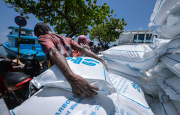
Local Market in Male': Asian Development Bank has projected that prices of goods in the Maldives will continue to rise through the remainder of this year. (Sun Photo/Mohamed Maavee)
The Asian Development Bank (ADB) has projected that prices of goods in the Maldives will continue to rise throughout the remainder of the year in light of the ongoing geopolitical tensions involving the United States, Israel, and Iran in the Middle East.
In its July edition of the ‘Asian Development Outlook’, the ADB released updated economic projections for Asian economies, which revises the forecasts issued in April, taking into account the prolonged nature of the conflict, which has persisted longer than initially anticipated.
ADB has revised its growth forecast for developing Asia and the Pacific due to prolonged market disruptions from the Middle East conflict.
— Asian Development Bank (@ADB_HQ) July 8, 2026
Read the latest #ADO2026 report: https://t.co/LSlgyzVipo pic.twitter.com/X3BMJyXRcu
In its April report, the ADB forecast the Maldives' economic growth for this year at a modest 1.0 percent, marking a sharp decline from the 6.3 percent growth recorded last year. The bank also projected the national inflation rate, which measures the increase in the cost of goods and services, to reach 5.0 percent.
The ADB's latest report maintains these projections for the current year. Forecasts for next year also remain unchanged, with economic growth expected to reach 3.0 percent and inflation projected to ease to 4.0 percent.
However, the ADB has revised its economic outlook for the wider South Asian region, forecasting a more pronounced slowdown than it had projected in April. While the previous report estimated regional inflation at 5.0 percent, the latest update has raised the forecast to 5.7 percent.
The bank attributed the expected rise in regional prices to the ongoing conflict in the Middle East, which has contributed to higher fuel, transportation, and food costs. Given the Maldives' heavy dependence on imported fuel and essential commodities, the ADB warned that although prices remained relatively stable during the early months of the year, they are expected to trend upward for the remainder of the year.
The report also noted that many Asian countries continue to subsidize petroleum products, warning that rising global oil prices will place additional pressure on government finances. The ADB stated that gradually rationalizing fuel subsidies would strengthen economic resilience against energy price shocks while promoting more efficient fuel consumption and conservation.
The observation comes as the Maldivian government continues to supply fuel to utility providers, including STELCO and Fenaka, at below-market rates to maintain affordable electricity tariffs. The resulting cost difference is covered through government subsidies.

According to the Finance Ministry's budget statement for the previous year, MVR 379 million was initially allocated for electricity subsidies. However, actual expenditure reached MVR 832 million by the end of the year, exceeding the original allocation by MVR 453 million, or 119 percent.
As part of efforts to reduce government expenditure, the previous year's budget proposed replacing universal electricity and food subsidies with a targeted assistance program for those most in need. The plan aimed to reduce general subsidies by MVR 2.4 billion while allocating MVR 900 million to a direct subsidy mechanism.
However, President Dr. Mohamed Muizzu later suspended the implementation of the proposed reforms, stating his intention to preserve existing public benefits. The decision has since drawn criticism from economic analysts.
The report comes as prospects for a lasting resolution to the conflict remain uncertain, with the Maldives already experiencing noticeable increases in the prices of fuel and essential food items.