date_range
Wednesday 07 Oct 2026


 LOCAL EDITION
close
 LOCAL EDITION


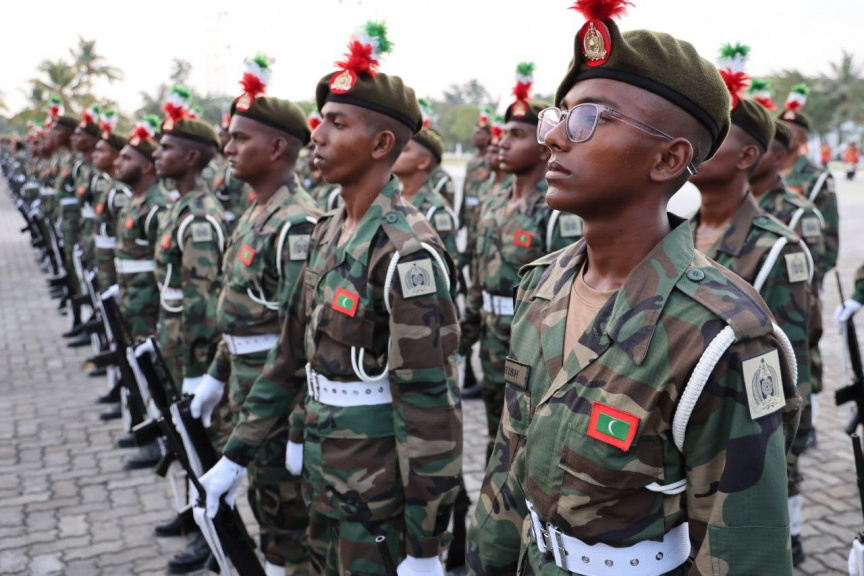
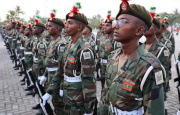
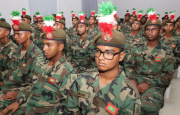
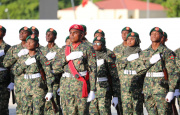
From the graduation ceremony of the 1st batch of youths under the National Service Program: 344 youths have graduated under the second batch of the program. (Photo/MNDF)
A total of 344 youths from the second batch of the National Service Program have officially graduated today following the completion of a 14-week intensive training course.
The graduation ceremony was held at Lh. Maafilaafushi. The second batch initially began with 350 participants—comprising 286 males and 64 females—representing 112 islands across the Maldives.
The ceremony was attended by Defense Minister Hassan Rasheed, during which certificates were awarded to 344 participants upon successful completion of the program. In addition to the core training, selected students who met specific performance benchmarks were awarded Level 3 certificates in civic education and leadership, community volunteer firefighting, and basic first aid.

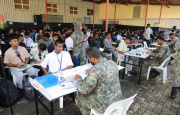
Throughout the program, participants received lessons in Islamic ethics, social etiquette, and the foundational principles of Maldivian national identity. The curriculum also covered responsible citizenship, alongside practical life skills aimed at preparing participants to navigate everyday challenges.
Speaking at the ceremony, Minister Hassan Rasheed, citing over 1,700 young people had applied for the second intake of the National Service Program, said the high number of applications reflects strong interest and enthusiasm among Maldivian youth. He further announced that two additional batches, each comprising 350 trainees, are scheduled to commence later this year, with placements to be offered in order of application.
Addressing the graduates, the Minister urged them to apply the discipline and skills gained through the program in their future endeavors.
“Your parents hold high aspirations for you. I am certain that one of their greatest wishes is for you to resist the negative influences within society and remain steadfast in your principles,” the Minister stated.

The National Service Programme is a flagship initiative of President Muizzu, designed to develop a strong and capable youth through structured training and education. Key objectives of the program include fostering nationalism and pride among young people, nurturing a citizenry committed to Islam, and preparing youth to serve the nation effectively during major threats or disasters.
The first batch of the program also produced 344 graduates. While some participants from that batch are currently undergoing further specialized training in B. Kihaadhoo, the government has facilitated employment opportunities for the remaining graduates.