date_range
Tuesday 22 Sep 2026


 LOCAL EDITION
close
 LOCAL EDITION


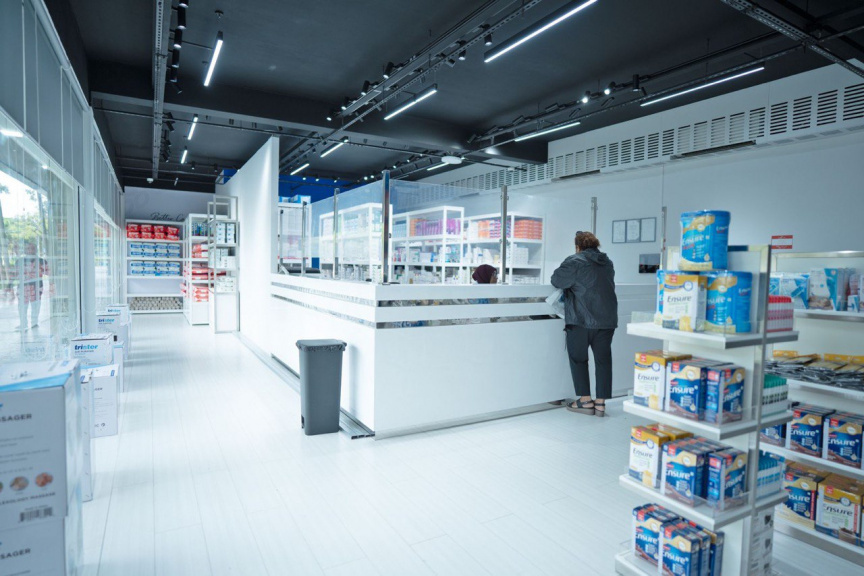
STO Pharmacy Centre: The new STO pharmacy in hulhumale, where their Smart Store was operated before. (Photo/STO)
The State Pharmaceutical and Medical Supply Corporation Limited (SPHMC) has begun importing medicines, six months after the company was established.
SPHMC was formed on 9 September last year. Speaking on state media’s Raajje Miadhu programme on Monday night, Health Minister Abdulla Nazim Ibrahim said the company has now started bringing in medicines and supplying them to atoll health facilities.
“Now the company’s work has started. Importation of medicines has started. The company will share progress soon. Some of the drugs are already being imported and supplied to the islands,” Nazim said.
Nazim noted that creating a dedicated pharmaceutical company allows the government to identify systemic issues and assign specialised teams to address them.
Shortages of medicines for common illnesses have long been a public concern in Maldives, with frequent complaints of stockouts and several related issues submitted to Parliament. These challenges persisted even after SPHMC was formed. At the time, Managing Director Dr. Shah Mahir said delays occurred because transferring all pharmaceutical functions from STO to the new company required time.

STO, a 100 percent state‑owned enterprise, has historically handled bulk import and sale of medicines, medical consumables and equipment. STO pharmacies currently operate in all inhabited islands.
This year, STO also began the process of transferring all its pharmacies under SPHMC.
On 22 July 2024, the government announced it would begin selling medicines approved by European health authorities for the first time, as part of efforts to improve access to high‑quality drugs. The government also said it had started procuring bulk medicines through a quality‑based pooled procurement mechanism in collaboration with UNDP.