date_range
Monday 26 Oct 2026


 LOCAL EDITION
close
 LOCAL EDITION


Maldivian President Dr. Mohamed Muizzu and Economic Minister Mohamed Saeed: Inflation the highest in 13 years in 2025. (Photo/President's Office)
According to the Maldives Bureau of Statistics (MBS), the government’s pledge to reduce the dollar rate has not materialized, with last year recording the sharpest rise in prices in 13 years.
Consumer Price Index (CPI) data released by MBS for 2025 shows that inflation in the Maldives reached 4.04 percent. Figures from the Maldives Monetary Authority (MMA) indicate that inflation last exceeded four percent in 2012, when it stood at 10.9 percent before dropping to 3.8 percent the following year. The past year marks the first time since then that inflation has climbed above three percent.
The MBS report highlights that the steepest price increases were recorded in tobacco products, which surged by a record 80 percent. This spike is largely attributed to the government’s anti-tobacco policies, particularly a sharp increase in import duties on cigarettes. After legislative changes on October 31, 2024, the duty on a pack of 20 cigarettes rose from MVR 60 to MVR 160, pushing the retail price from MVR 110 to MVR 250.

In addition, the government imposed a nationwide vaping ban on December 15, 2024. The Bureau noted that the ban increased demand for cigarettes, which, coupled with higher import duties, further drove up tobacco prices.
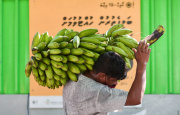
Food prices also rose by 4.7 percent over the year, with notable increases in fruits, fish, cooking oil, and confectionery items such as milk, sugar, jam, honey, and chocolate. Fish prices alone climbed by 7.56 percent, influenced not only by currency pressures but also by seasonal variations and reduced catches linked to climate conditions.
MBS identified the strengthening of the dollar on the black market and the depreciation of the Maldivian Rufiyaa as key factors behind the price hikes, as importers have faced growing challenges in accessing foreign currency. With limited domestic production and heavy dependence on imports, fluctuations in the dollar directly affect local prices.

Although the government has pledged to eliminate the dollar black market, Mohamed Muizzu stated in March 2024 that the Rufiyaa was stabilizing and the dollar rate was beginning to fall, then trading at around MVR 18. Economic Minister Mohamed Saeed also expressed confidence that the rate would decline.
However, the black market rate has since continued to climb, generally remaining above MVR 20.
Amid rising national debt, the government introduced mandatory foreign currency exchange requirements for the tourism sector, the country’s main source of foreign exchange. President Muizzu has said these measures will address the dollar shortage during his term, with the administration aiming to bring the exchange rate back to the official parity of MVR 15.42 by the end of 2027.