date_range
Friday 21 Aug 2026


 LOCAL EDITION
close
 LOCAL EDITION


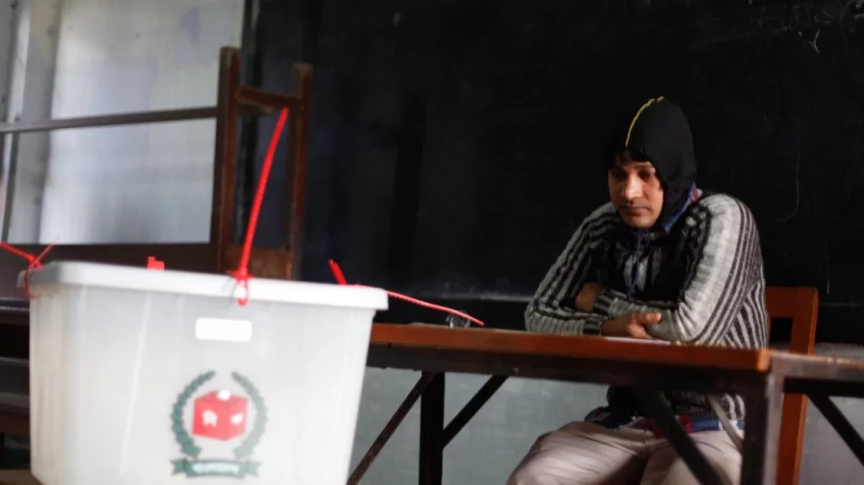
Bangladesh authorities have designated a significant portion of polling centres as security concerns amidst preparations for February’s vote. (Photo/Dhaka Tribune)
With 37 days remaining before Bangladesh’s 13th national parliamentary election, authorities have designated a significant portion of polling centres 'security concerns' as preparations intensify for February’s vote.
Bangladeshi media outlet, Dhaka Tribune, citing the police, reported that 17,556 out of 42,761 polling centres nationwide have been classified as risky, while 8,746 are considered highly risky, based on past incidents of violence, local political tensions, and logistical challenges. Dhaka has the highest number of vulnerable centres.
To address the situation, the Police plans to deploy 176,00 officers across the country for the election, with additional forces assigned to centres deemed risky. Senior police officials emphasized that maintaining law and order during the election period is a major challenge and a top priority.
The Election Commission was quoted as saying it is prepared to adjust security arrangements if needed, while police have intensified patrols, checkpoints, and operations to seize illegal weapons. Polling centres have been colour-coded to reflect their risk level, and enhanced security — including armed personnel and body cameras — will be in place at high-risk locations.
Dhaka Tribune also reported that members of other security forces, including the army and Rapid Action Battalion, will support police during the election. Officials said these measures are intended to ensure a peaceful, fair, and orderly voting process despite concerns over political violence.
Bangladesh is facing deep political upheaval as it prepares for the national election in February 2026. The country’s political landscape has shifted dramatically since former Prime Minister Sheikh Hasina was ousted from power in August 2024, following a wave of nationwide, student-led protests over issues including government quotas and authoritarian practices. The protests escalated into a broader movement that forced Hasina to flee into exile in India, ending her 15-year rule.
In the aftermath of her removal, Bangladesh has been governed by an interim administration headed by Nobel laureate Muhammad Yunus, who was brought in to oversee the transition and prepare the country for elections. Under the interim regime, Hasina’s political party, the Awami League, has been banned from political activities and barred from contesting in the upcoming election, a move that has intensified political tensions. Critics argue this ban undermines the competitiveness and credibility of the election, while supporters say it was necessary to reset the political order.
The period since Hasina’s ouster has also seen a rise in political violence and instability. Odhikar, a rights organization, reported that nearly 300 people were killed in political violence between August 2024 and late 2025, including incidents of lynchings and extrajudicial killings.