date_range
Saturday 17 Oct 2026


 LOCAL EDITION
close
 LOCAL EDITION


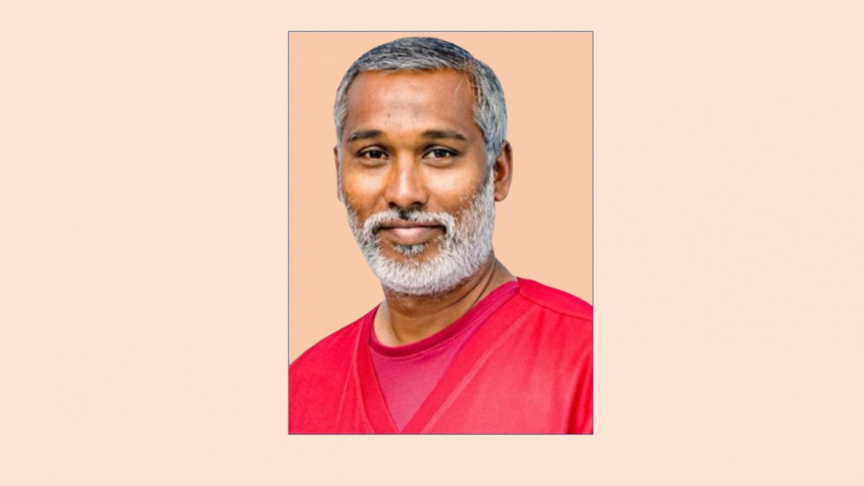
Dr. Mohamed Faisal: He is the Maldives' first neonatologist.
Dr. Mohamed Faisal has returned to the Kulhudhuffushi Regional Hospital after completing training overseas to become the Maldives’ first neonatologist.
Neonatology is a specialized field within pediatrics focusing on the medical care of the tiniest and most vulnerable patients - sick or premature newborn infants.
Neonatologists manage complex conditions like breathing problems, infections, congenital defects, and low birth weight, ensuring fragile newborns get specialized support for optimal health and development from birth through their first weeks.
Faisal, a native of F. Nilandhoo, said that medical care for preterm babies is a critical service.
These tiny babies are born before their organs are fully formed, making them particularly vulnerable. Caring for them is an intricate business.

Faisal is a doctor with nearly two decades of experience under his belt. He was working as a pediatrician at the Kulhudhuffushi Regional Hospital when he applied for a government-backed training program in 2022. He spent the next two years undergoing vigorous training in Sri Lanka as a neonatologist.
“Neonatology is an area I have always been interested in, from the very start. But such opportunities are rare right? Especially given how rare of a subspeciality this is. Neonatology service isn’t advanced, even in this region,” he said.
Maldives has seen an increase in preterm babies, from 10 percent in the early 2000s, to 14-15 percent now.
But the neonatal service in the Maldives remains underdeveloped.
Neonatal care or care given to babies at the Neonatal Intensive Care Unit (NICU) is categorized into four levels. Level I is for healthy newborns needing basic care, Level II is for intermediate care for babies who are born prematurely and require advanced care, such as advanced respiratory support, Level III is for comprehensive care for infants born before 32 weeks gestation, while Level IV provides the highest level of care for the most critically ill newborns, including the capability to perform advanced surgical procedures.

The neonatal service level in the atolls is mostly at Level I, with the service level at the Indhira Gandhi Memorial Hospital in the capital at a little above Level II, but still under Level III.
“If we look at this, the usual level in the islands is Level I. It hasn’t even reached Level II in the atolls. It is Level II in Male’. Its not a complete Level III, but a Level II plus. It’s not Level III even at the IGMH,” said Faisal, noting the lack of ventilating and intervention facilities for preterm babies in the country’s main government hospital.
Owing to a number of factors, including changes to lifestyle, and older maternal age, premature births have been increasing, and is expected to continue to increase.
This makes the development of neonatology service all the more crucial.
Faisal hopes that people, including the authorities, will realize the importance of this service and work to develop it.