date_range
Tuesday 13 Oct 2026


 LOCAL EDITION
close
 LOCAL EDITION


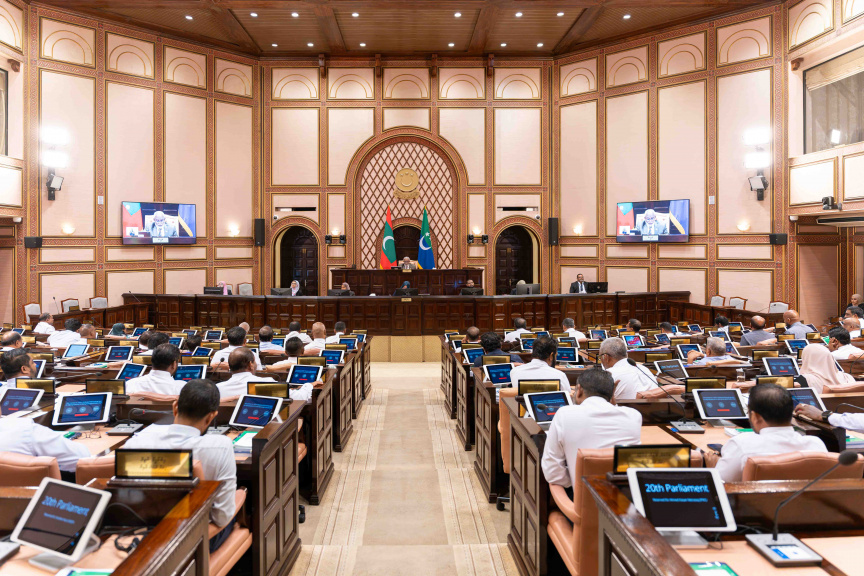
Speaker Abdul Raheem Abdulla presides over a parliamentary sitting on August 18, 2026. (Photo/People's Majlis)
The second session of the 20th Parliament was extended twice, yet less than half of the legislative and oversight workload was completed, according to statistics released by the Parliament Secretariat.
During the session, the Parliament held 28 sittings, amounting to 57 hours of plenary work. Committees held 138 meetings, with a total of 63 hours spent on committee deliberations.
According to the Secretariat, 94 items of business were carried over from the first session of the year into the second session. An additional 120 new items were submitted during the second session.
2026 ވަނަ އަހަރުގެ ދެވަނަ ދައުރުގެ ޖަލްސާތަކުގައި ކުރެވުނު މަސައްކަތްތައް
— People's Majlis (@mvpeoplesmajlis) September 2, 2026
????: https://t.co/KasCUwzVOL pic.twitter.com/zyY2CFbjVJ
The statistics show that ministerial questioning was the most frequent activity. A total of 134 questions were submitted to ministers, including 59 questions pending from the first session.
The second-largest category of completed work involved appointments requiring parliamentary approval, including nominations to independent institutions and ambassadorial postings. Sixteen proposals submitted during the session, along with one proposal carried over from the previous session, were completed.

Committees worked on 37 bills during the session, of which 14 were passed. Fourteen of these bills were newly introduced during the session, while 23 were carried over from the previous session.
Overall, the Parliament completed 49.3 percent of the total legislative and oversight workload scheduled for the session.
The session was extended twice, with the stated aim of completing key government proposals, including granting councils authority over state lands within their jurisdiction and requiring resorts to deposit 40 percent of their foreign currency earnings. The session, which began on June 1, concluded on August 26.
Under parliamentary rules, the third session of the year will begin in October and run until November. Its primary focus will be debating and approving the government’s budget for the upcoming year.
Despite the extensions, two-thirds of the scheduled work remained incomplete. On several days, neither plenary sittings nor committee meetings were held. The first session of the year held 20 sittings, compared to 28 sittings in the second session.
Members of Parliament continue to receive high salaries, insurance coverage and allowances. However, public concern persists over whether parliamentary output reflects the level of remuneration provided to MPs.