date_range
Monday 12 Oct 2026


 LOCAL EDITION
close
 LOCAL EDITION


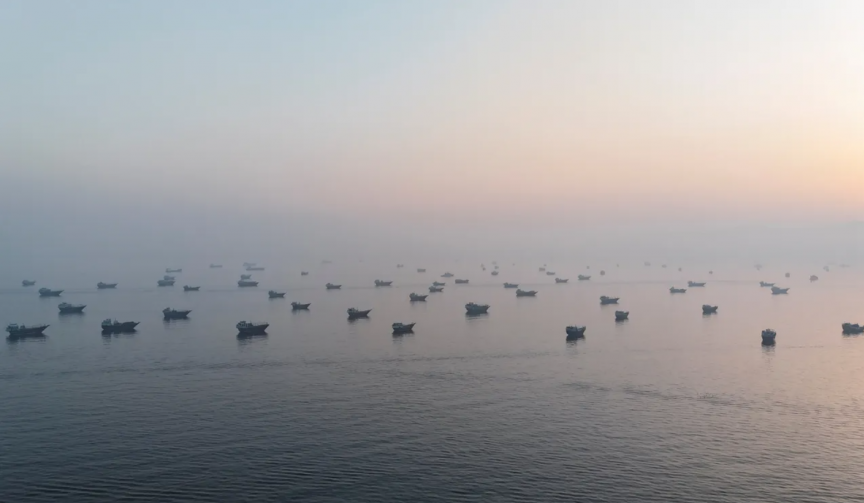
A drone view shows vessels in the Strait of Hormuz, as seen from Musandam, Oman, June 15, 2026. (Photo/Reuters)
The United States and Iran have announced a breakthrough agreement aimed at ending months of conflict in the Middle East, reopening the Strait of Hormuz, and halting military operations across multiple fronts — including Lebanon.
While both sides have confirmed key elements of the deal, major details remain unclear, particularly regarding Iran’s nuclear programme and the long-term enforcement of the agreement.
Here is what we know about the deal so far.
A suprise announcement after months of war
The deal was first made public early Monday by Pakistani Prime Minister Shehbaz Sharif, who said that “permanent termination of military operations on all fronts” had been agreed between Washington and Tehran, including in Lebanon.
US President Donald Trump confirmed the announcement shortly after, posting on social media that “The Deal with the Islamic Republic of Iran is now complete,” calling it a major step toward ending a conflict that has killed thousands and disrupted global energy markets.
Iran also confirmed the development through Deputy Foreign Minister Kazem Gharibabadi, who said the agreement would bring an “immediate and permanent end” to hostilities, with further negotiations expected within 60 days for a final settlement.
Following intensive talks, we are pleased to announce that the Peace Deal between the United States of America and Islamic Republic of Iran has been REACHED. Both sides have declared the immediate and permanent termination of military operations on all fronts, including in…
— Shehbaz Sharif (@CMShehbaz) June 14, 2026
What the deal reportedly includes
The content of the agreement, which followed weeks of fraught negotiations and periodic threats from Trump of fresh hostilities unless Iran reached a deal, remained unclear.
Iran's Mehr news agency reported that the US would release $12 billion in frozen assets to Iran before the start of negotiations.
It quoted a 14-point "memorandum of understanding" between the two nations, which it said stipulated "the release of 24 billion dollars in frozen Iranian assets during the 60‑day negotiation period" that begins after the MoU is signed.
The Trump administration didn't immediately comment on the details of the agreement, which may prove contentious as the US presses its effort to end Tehran's nuclear ambitions and deal with its stockpile of highly enriched uranium -- believed to have been buried by US strikes last year.
In an interview with the New York Times on Sunday, Trump said Washington was still negotiating whether Iran would suspend its enrichment for 20 years.
The US leader hinted that he might settle for a 15-year suspension, but said he did not want to negotiate via the press.
Role of mediators
Pakistan has played a central mediating role, with Qatar, Saudi Arabia, and Türkiye also credited for supporting negotiations.
Sharif said mediators would facilitate further meetings this week ahead of a formal signing ceremony expected on 19 June in Switzerland.
Qatar’s foreign ministry welcomed the agreement as an “important step” toward regional stability, while also calling for continued diplomacy to ensure implementation.
Regional conflict and timing concerns
The announcement came after a volatile weekend marked by renewed tensions, including an Israeli strike on Beirut’s southern suburbs.
Trump reportedly criticised Israel’s action, saying it complicated the negotiations. Iran had previously linked any ceasefire agreement to broader regional de-escalation, particularly in Lebanon.
Despite the tensions, both sides ultimately moved forward with the agreement, which marks a rare diplomatic breakthrough after months of escalation.
Economic impact and global reaction
Markets reacted quickly to the announcement, with oil prices dropping sharply and Asian stock markets rising on expectations that the Strait of Hormuz — through which a significant portion of global oil flows — will reopen.
UN Secretary-General Antonio Guterres called the deal a “critical step” toward regional peace, while Turkish President Recep Tayyip Erdogan welcomed the agreement, describing it as an important development for regional peace and stability.
European countries, on the other hand, signalled readiness to support sanctions relief if the agreement holds.
US officials also framed the deal as a potential turning point for energy stability and regional economic recovery.
What happens next?
The signing of the agreement is expected to take place on Friday in Switzerland.
Both sides are expected to enter a 60-day negotiation period aimed at reaching a more comprehensive final agreement, though major questions — particularly around verification and nuclear limits — remain unclear.
___
Source: TRT